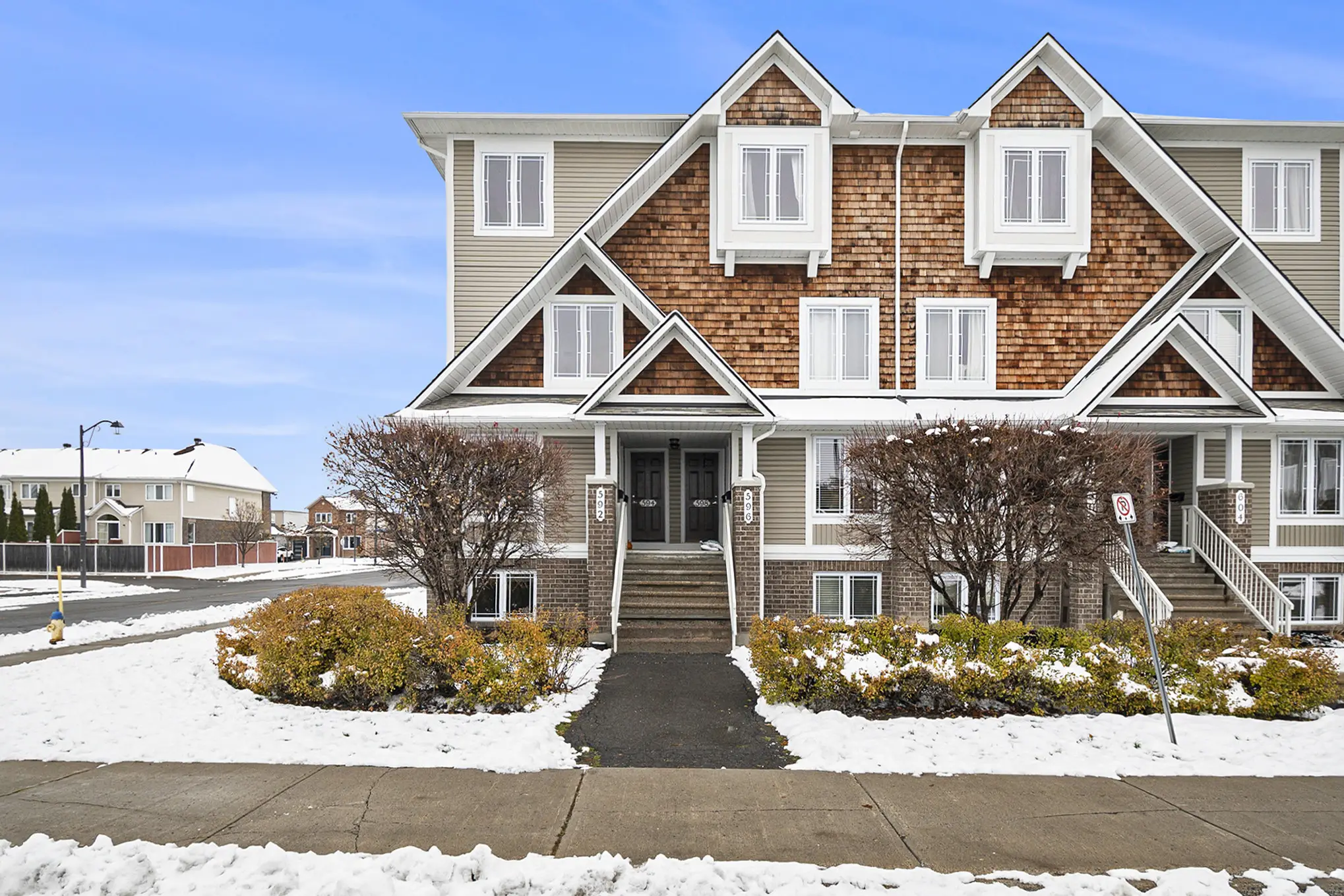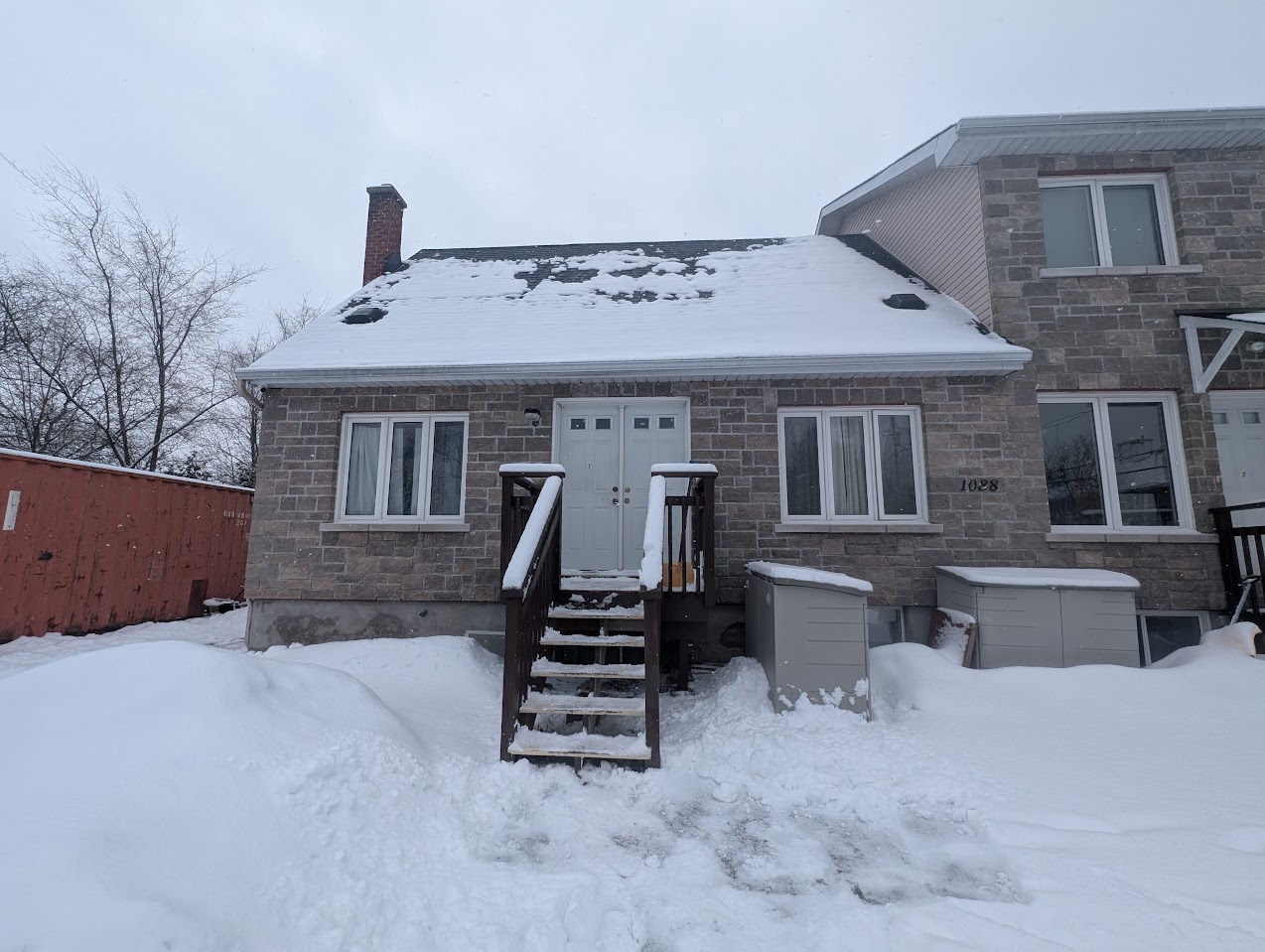
Ottawa winters are not gentle on buildings. A single frozen pipe can flood a unit and cost tens of thousands; a neglected furnace can leave tenants without heat and you in breach of a city bylaw. The good news is that almost all of it is preventable with a seasonal routine. Here’s a landlord’s checklist for getting an Ottawa rental ready for winter — and protecting your investment through it.
First, your legal heat obligation
In Ottawa, heat isn’t optional. Under the City of Ottawa Heat By-law, when a landlord provides the heat, the unit must be kept to at least 20°C (68°F) between 6 a.m. and 11 p.m., and at least 16.67°C (62°F) overnight. Heat is also a “vital service” under Ontario’s Residential Tenancies Act, meaning you can’t withhold or interrupt it — even if a tenant is behind on rent. Keeping the heating system reliable all winter is both a maintenance priority and a legal one. (For the broader picture, see our guide to landlord rights and responsibilities in Ontario.)
The biggest risk: frozen pipes
Burst pipes are the most expensive winter failure, and they’re largely avoidable. Before the deep cold sets in:
- Insulate exposed pipes in basements, crawl spaces, garages, and against exterior walls
- Disconnect and drain outdoor hoses, and shut off and drain exterior faucets/hose bibs
- Seal gaps where cold air reaches plumbing
- Make sure the unit never drops below the bylaw minimums — the leading cause of frozen pipes is heat being turned too low or off
- Show tenants where the main water shut-off is, so a burst can be stopped fast
Service the heating system
A furnace failure in January is an emergency, not an inconvenience. Before winter:
- Have the furnace or heating system professionally inspected and serviced
- Replace furnace filters (and remind tenants to change them through the season)
- Test the thermostat and confirm it holds temperature
- Bleed radiators if the system is hot-water/radiant
- Test carbon monoxide and smoke detectors — required, and critical once windows are sealed and furnaces are running
Seal drafts and protect windows
- Add or replace weatherstripping on doors and windows
- Caulk gaps and cracks where cold air enters
- Consider window film or storm windows on older units
- Check that attic insulation is adequate — heat loss upward is both costly and a cause of ice dams
Roof, gutters, and ice dams
- Clean gutters and downspouts so meltwater can drain instead of refreezing
- Inspect the roof for loose or missing shingles before snow load arrives
- Watch for conditions that cause ice dams (warm attic + cold eaves) and address insulation/ventilation
- Confirm downspouts direct water well away from the foundation
Outside the property
- Arrange reliable snow and ice removal for walkways, driveways, and entrances — a slip-and-fall is a liability risk
- Stock or arrange ice melt for steps and paths
- Trim branches that could break under ice and damage the roof or lines
- Mark walkway edges and shut off/winterize any irrigation
Vacant or seasonal properties need extra care
An empty unit — between tenancies, or a snowbird owner’s property — is where winter does its quietest damage, because no one’s there to notice a heating failure until the pipes have already burst. For vacant or seasonal homes:
- Keep the heat on at a safe minimum — never shut it off entirely
- Have someone check the property regularly through the winter
- Consider draining the plumbing system if the property will sit empty long-term
This is exactly what our home checking services are built for — regular visits that catch a heating failure or leak before it becomes a disaster. And our Ottawa home winterizing services handle the full seasonal prep so nothing gets missed.
Quick winterizing checklist
- ☐ Furnace serviced, filters replaced
- ☐ Thermostat tested, holds bylaw minimum temperatures
- ☐ CO and smoke detectors tested
- ☐ Exposed pipes insulated; outdoor faucets drained
- ☐ Main water shut-off located and labelled
- ☐ Drafts sealed; weatherstripping refreshed
- ☐ Gutters cleaned; roof inspected
- ☐ Snow/ice removal arranged; ice melt stocked
- ☐ Branches trimmed
- ☐ Vacant units: heat on, regular checks scheduled
Who’s responsible: landlord or tenant?
Generally, structural and systems upkeep — furnace, pipes, roof, insulation — is the landlord’s responsibility, while tenants are typically expected to handle day-to-day tasks like reporting issues promptly and, depending on the lease, basic snow clearing on a single-family rental. Spell this out clearly in the lease so there’s no confusion when the first storm hits. Strong maintenance coordination and seasonal inspections keep everyone on the same page.
Let us handle winter for you
Between heating obligations, frozen-pipe risk, and snow removal, winter is the season landlords most appreciate having a manager. We coordinate the full seasonal routine and respond fast when something goes wrong. Explore our property management service or contact us to get your property winter-ready.
Frequently asked questions
What temperature must a landlord keep a rental at in Ottawa?
Under the City of Ottawa Heat By-law, when the landlord provides heat, units must be kept to at least 20°C (68°F) between 6 a.m. and 11 p.m., and at least 16.67°C (62°F) overnight. Heat is also a vital service under Ontario law and cannot be withheld.
How do I prevent frozen pipes in a rental property?
Insulate exposed pipes, drain and shut off outdoor faucets, seal cold-air gaps, keep the heat at safe minimums, and make sure the tenant knows where the main water shut-off is. Never let a unit drop below the bylaw temperature.
Is the landlord or tenant responsible for snow removal?
It depends on the lease and property type. Structural and systems upkeep is the landlord’s responsibility; basic snow clearing on a single-family rental is often assigned to the tenant. Clarify it in the lease to avoid disputes.
What should I do about a vacant rental in winter?
Keep the heat on at a safe minimum, have the property checked regularly, and consider draining the plumbing if it will sit empty long-term. A home checking service catches heating failures and leaks early.
When should I winterize an Ottawa rental?
Complete furnace servicing, pipe insulation, and draft sealing in the fall, before the first hard freeze. Snow removal and ice-melt arrangements should be in place by early winter.