
Living in a student rental in Ottawa comes with a lot of perks — independence, flexibility, and a space to call your own. But it also means taking responsibility for your surroundings, especially when it comes to maintenance. From leaky faucets to winter drafts, small problems can quickly turn into big headaches if left unchecked.
Whether you’re new to student living or a seasoned renter, keeping your apartment in top shape doesn’t have to break the bank — or the lease agreement. With a little know-how, some basic tools, and a proactive mindset, you can handle common issues, stay warm through Ottawa’s brutal winters, and even reduce your utility bills.
In this guide, we’ll break down smart maintenance hacks that every Ottawa student should know — from DIY fixes and legal responsibilities to eco-friendly practices and winter-proofing tips.

Student rentals in Ottawa can vary wildly in condition, especially in older buildings near universities like uOttawa or Carleton. Whether you’re renting a house with roommates or a downtown studio, there are common issues that tend to pop up:
Leaky Faucets & Toilets: These are not just annoyances — they waste water and drive up utility bills.
Drafty Windows and Doors: Ottawa winters are no joke, and poor insulation means heat loss and higher heating costs.
Pest Problems: Mice and insects are common in poorly maintained units, especially in older homes.
Clogged Drains: Hair, food particles, and grease can quickly block kitchen and bathroom plumbing.
Faulty Heating Systems: Furnaces or baseboard heaters may be outdated, inconsistent, or poorly maintained.
Mold and Mildew: Especially in basements or poorly ventilated areas — this can be a health concern.
Smoke and CO2 Detectors Not Working: These are legally required and must be maintained.
Understanding these issues is the first step toward staying ahead of them. Often, tenants can address minor problems on their own, but knowing your limits is equally important.
Handling basic maintenance on your own can save time, money, and unnecessary calls to your landlord. Here are some smart DIY tips every Ottawa student renter should keep in their toolkit:
Use a drain snake or plunger to tackle slow-draining sinks and tubs.
Avoid chemical drain cleaners — they can damage pipes over time.
Prevent future clogs by using drain catchers and avoiding grease or hair buildup.
Apply weather stripping or foam sealant around leaky window frames.
Use thermal curtains in winter to trap heat inside.
Install a door draft stopper to block cold air from entering underneath doors.
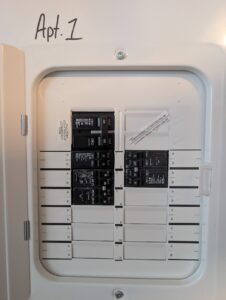
Know where your breaker panel is.
If power cuts to one area (like the kitchen), you may just need to flip a switch back on.
Always keep spare LED bulbs and 9V batteries on hand for fixtures and smoke detectors.
If lights flicker, check if the bulb is screwed in tightly or if it’s the bulb itself that’s faulty.
Seal food in airtight containers.
Keep counters and floors clean.
Use natural deterrents like peppermint oil (mice) or vinegar (ants).
Your kit should include:
Screwdrivers (flathead and Phillips)
Duct tape
Allen keys
Adjustable wrench
Flashlight
Spare batteries and bulbs
While DIY fixes are handy, there are clear limits to what students should attempt. In Ontario, the Residential Tenancies Act outlines what landlords are legally required to maintain — and what falls on tenants. Understanding these boundaries protects both your rental and your rights.
Plumbing or Electrical Overhauls: If you have no hot water, low water pressure, or persistent electrical issues — call your landlord.
Mold or Structural Damage: This can indicate deeper water or ventilation problems. It’s a landlord’s duty to fix these.
Heating Problems in Winter: Ottawa’s winter regulations require landlords to maintain a minimum indoor temperature of 20°C between September 15 and June 15.
Broken Appliances Provided in Lease: Fridge not working? Stove malfunctioning? These are the landlord’s responsibility if they were included in the lease.
Keeping the unit clean and sanitary
Preventing damage beyond normal wear and tear
Reporting issues in a timely manner (email is best for records)
Replacing light bulbs and batteries (unless otherwise stated in lease)
Always notify your landlord in writing about problems — this creates a paper trail in case issues go unresolved. Take photos of damage and date-stamp them.
Ottawa winters are infamous for their deep freezes, heavy snow, and long duration — with average temperatures dipping below -10°C and wind chills pushing it even lower. A bit of seasonal prep can prevent costly issues and make your rental far more comfortable.
Test all heaters in early fall — don’t wait until it’s -20°C.
If your unit has baseboard heaters, vacuum them to remove dust buildup.
Report any uneven heating, strange smells, or lack of warmth ASAP.
Use window insulation kits (plastic film + hair dryer) to seal in warmth.
Place rolled towels at the base of windows or doors to block drafts.
Use thermal curtains or hang blankets temporarily for extra insulation.
Install adhesive weather stripping around doors.
Add a door snake or draft stopper at the bottom for cold air.
Keep a flashlight, batteries, blankets, and snacks ready in case of a power outage.
Consider a space heater with auto shut-off for emergencies (check lease rules first).
Check smoke and carbon monoxide detectors monthly — heating systems can cause CO leaks, especially in gas-heated homes.
Being eco-conscious isn’t just good for the planet — it’s smart budgeting, especially when utility costs in student rentals can add up fast. Here are practical, energy-saving tips tailored for Ottawa’s student renters:
Switch to LED bulbs: They use up to 80% less energy and last much longer.
Use a power bar with a switch — unplugging devices manually is a pain, but turning off one strip saves “phantom power.”
If allowed, install a smart thermostat to control heating when you’re not home (some are plug-and-play and don’t require installation).
Use a low-flow showerhead — many are easy to install and can cut water usage by 30–50%.
Don’t run the tap while brushing your teeth or washing dishes.
Report any leaks immediately — a dripping faucet can waste over 2,000 liters per year.
Use baking soda and vinegar for most cleaning jobs — cheaper and safer than chemical cleaners.
Reuse old T-shirts or towels as rags instead of paper towels.
Avoid bleach and heavy-duty sprays — they’re bad for indoor air quality.
Know your city garbage and recycling schedule — Ottawa has specific days and rules.
Compost food scraps if your building supports it — the city offers green bins for many apartments.
Label bins clearly in shared rentals to prevent contamination.
Hydro in Ontario has off-peak times (evenings, weekends) — run dishwashers or laundry then to save big.
Maintaining a student rental in Ottawa doesn’t have to be stressful or expensive. By tackling basic DIY repairs, understanding your rights as a tenant, preparing for harsh winters, and adopting eco-friendly habits, you can save money, reduce emergencies, and live more comfortably — all while building lifelong habits of responsibility and self-sufficiency.
Remember, your rental isn’t just a place to crash — it’s your home for now. Treat it with care, stay proactive, and don’t hesitate to reach out to your landlord when the situation calls for it. With the right mindset and a few simple tools, you can keep your student apartment running smoothly, no matter what Ottawa’s seasons throw at you.
Whether you’re a student looking for a hassle-free living experience or a landlord seeking top-tier property care, RentSetGo Property Management has you covered. We specialize in maintaining Ottawa rentals year-round — so you don’t have to.
Let’s talk about how we can help you rent smarter, live better, and stay warm through Ottawa’s toughest seasons.
Enter your email address and we will send you a link to change your password.